The Value Hidden in Plain Sight
The story of an abandoned building, a community of contributors, and the belief that some things deserve a second chance
Some buildings tell a story long before anyone steps inside them.
Ours certainly did.
For the past year, our team has been quietly working on a deeply personal project.
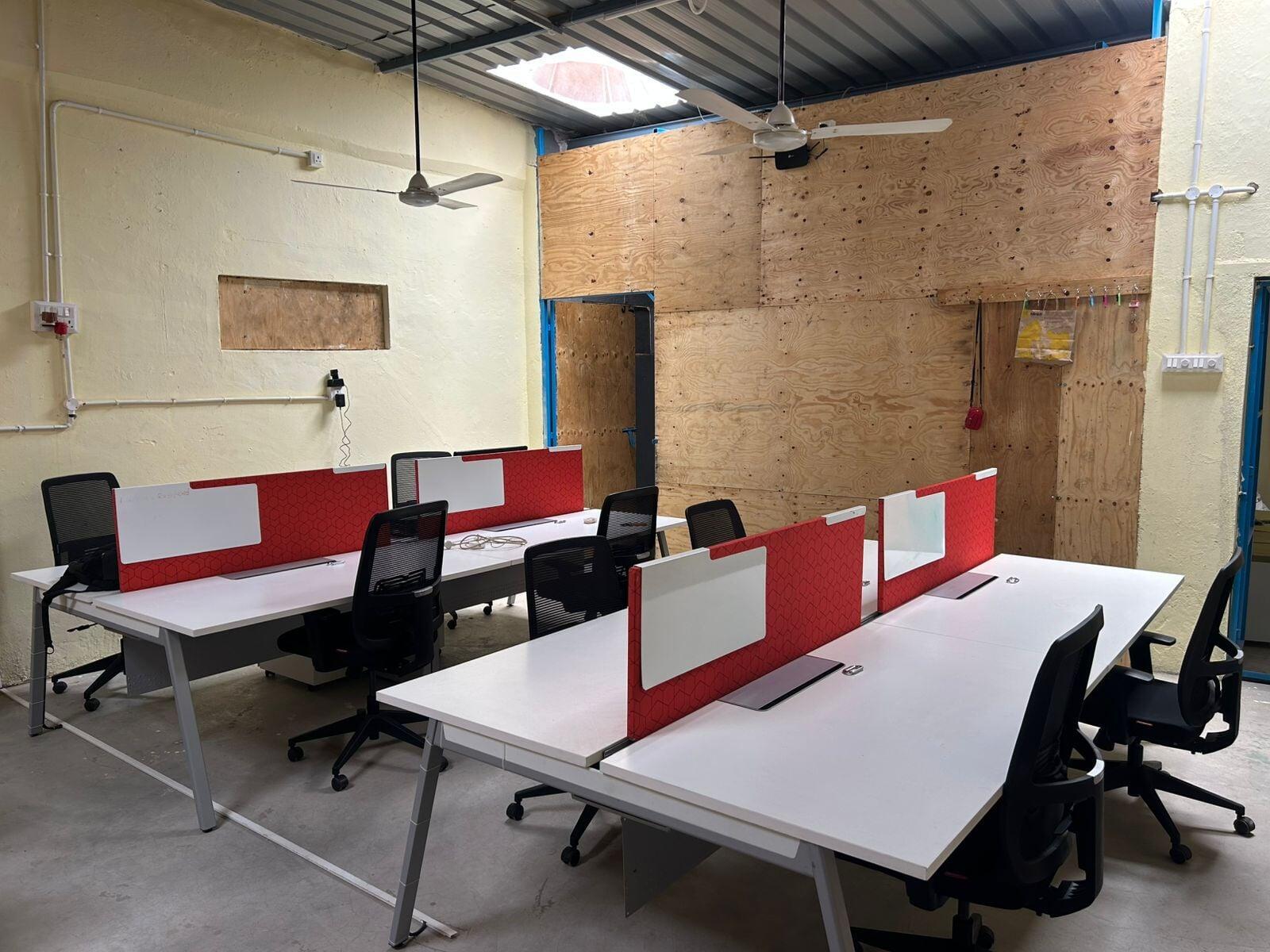
What stands today as our official workspace sat vacant for more than a decade. It was a 56-year-old industrial shed with no roof, deteriorating walls, and little evidence that it still had a future. Years of exposure to the elements had taken their toll. The structure had become part of the landscape noticed, perhaps, but largely forgotten. To many, it was an eyesore destined for demolition. We saw something else.
Not a finished vision. Not a master plan. Just the possibility that there was still value hidden beneath years of neglect.
That simple belief set us on a journey that would occupy much of the next year.
Restoration Over Replacement
The easy choice would have been to walk away and begin again somewhere else.
The practical choice may even have been to demolish what remained and build something new.
Instead, we chose to understand what was already there.
We examined every corner of the structure, not for reasons to discard it, but for reasons it deserved another chance. What followed was not a construction project alone. It became an exercise in patience, creativity, and resourcefulness.
Progress rarely arrived in dramatic moments.
It came in small victories.
- A wall restored.
- A salvaged material finding new purpose.
- A forgotten space becoming useful again.
- A problem solved with effort instead of replacement.
Slowly, the building began revealing possibilities that were invisible at first glance.
A Community Built These Walls
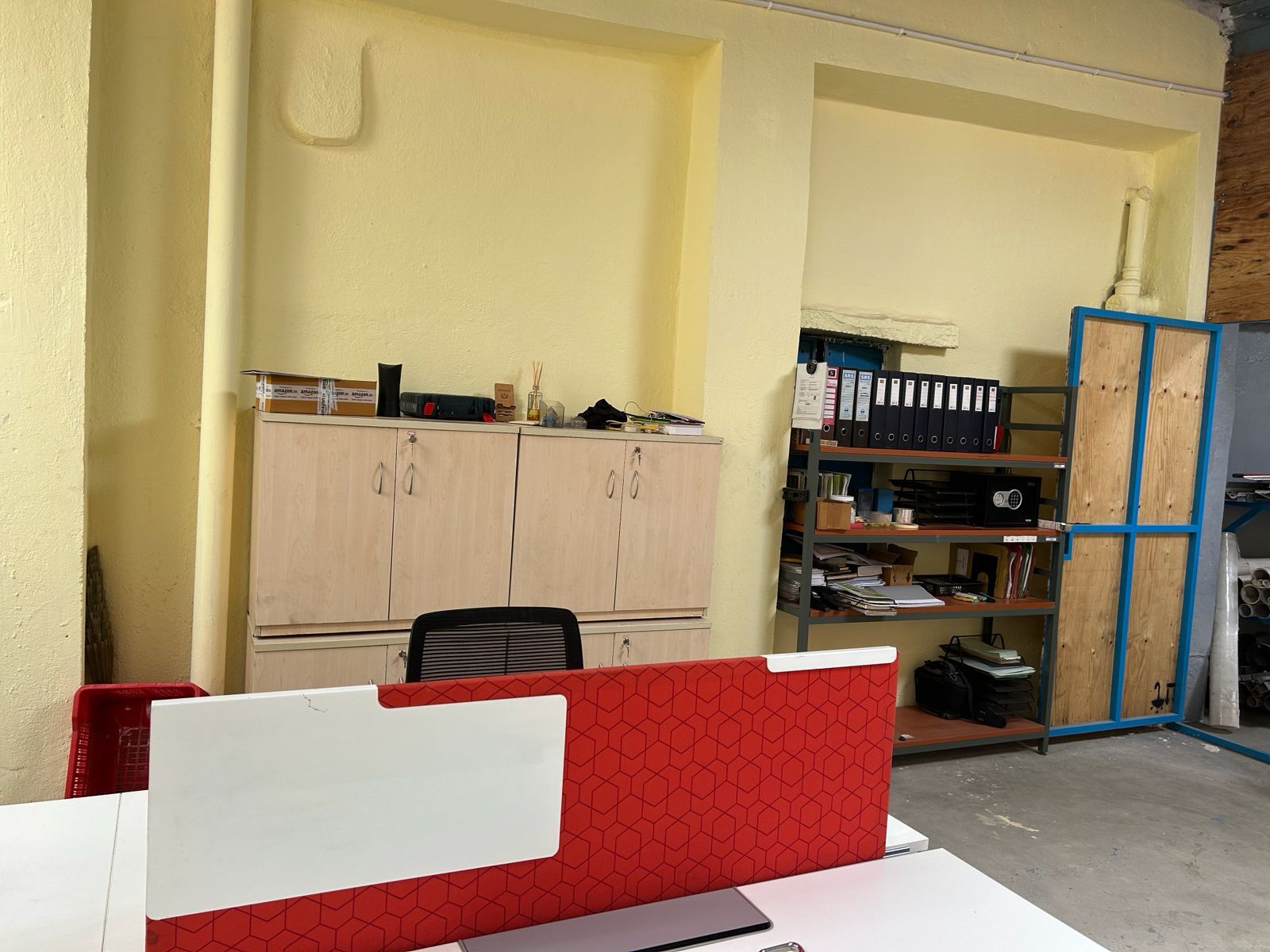
One of the most unexpected parts of this journey was discovering how many people became part of it. Several of our customers contributed surplus materials from their own communities:
- Bricks
- Cement blocks,
- Vitrified tiles,
- Granite countertops,
- Furniture was sourced from recyclers rather than showrooms.
- And resources that might otherwise have gone unused.
Materials were recovered from scrapyards and repurposed wherever practical.
Every contribution carried its own story.
Today, pieces of many different communities exist within these walls. Not as decoration, but as a reminder that sustainability is rarely achieved alone. More often, it is built through a shared belief that useful things should not be discarded simply because they are no longer new.
In a very real sense, the communities we serve have become part of the place we now call home.
Building by Doing
Aside from foundational civil and plumbing work, much of the transformation was completed by our own team.
Weekends became construction days.
Holidays became opportunities to learn.
People who typically spend their time solving engineering and operational challenges found themselves learning masonry, wall painting, electrical wiring, plumbing, metal fabrication, and carpentry.
We were beginners more often than experts.
Mistakes were made.
Lessons were learned.
Progress was slower than a professional contractor might have delivered.
And that was perfectly acceptable.
Because the objective was never perfection.
The objective was participation.
There is a unique sense of ownership that comes from building something with your own hands. Every challenge solved becomes part of the structure itself. Every lesson learned becomes part of the story.
The Imperfections We Chose to Keep
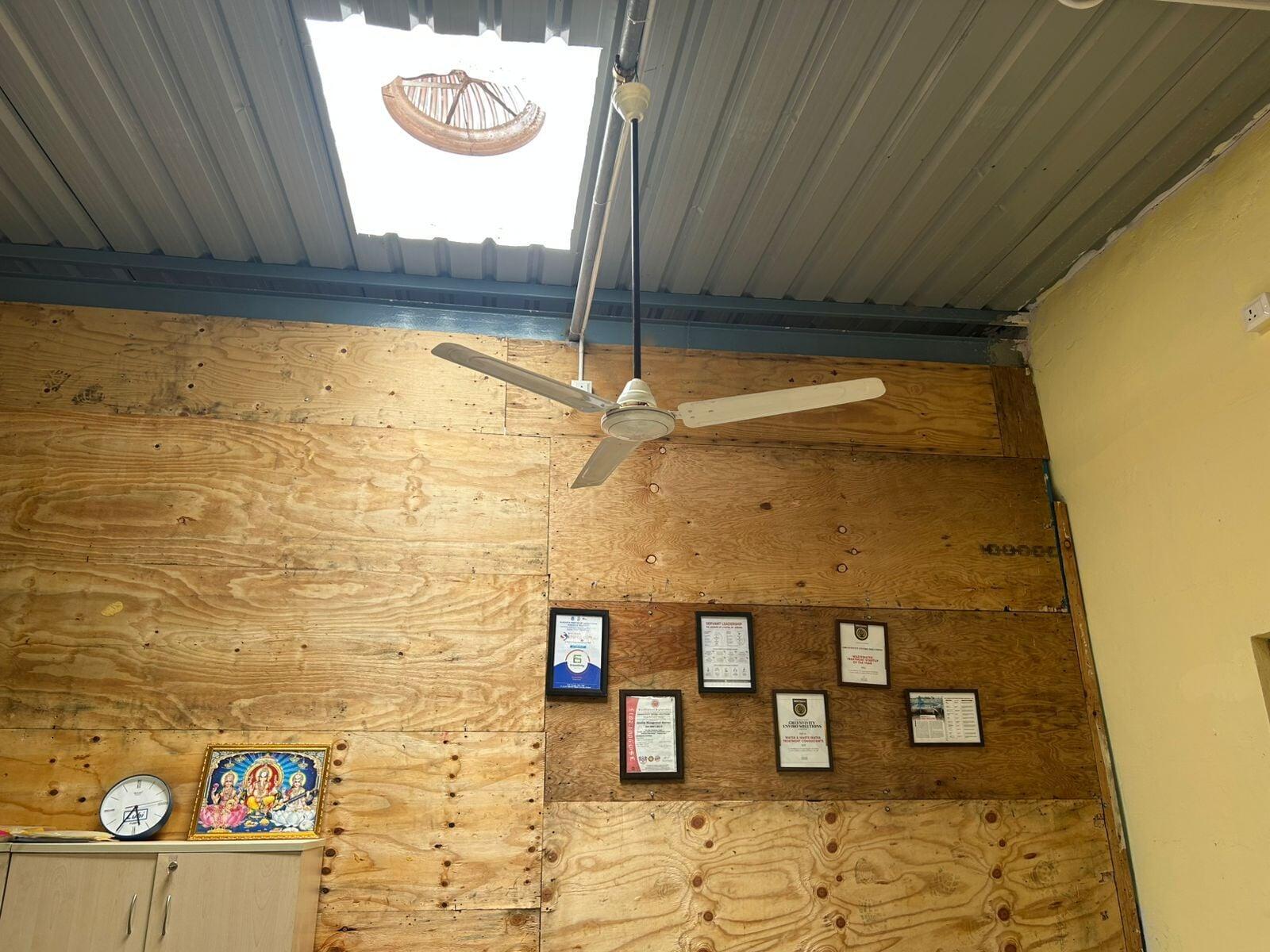
When you visit us, you might spot a jagged edge, a painting imperfection, a misaligned switch, or an uneven surface.
We don't hide them.
Those details are not reminders of what went wrong.
They are reminders of who built this place.
They represent evenings after work, weekends spent learning unfamiliar skills, countless experiments, and a team willing to step beyond its comfort zone to create something meaningful.
In a world increasingly focused on speed, efficiency, and replacement, those imperfections remind us that some things are worth investing time in.
They remind us that ownership leaves fingerprints.
A Circle of Gratitude
Projects like this are never completed by a single team alone.
We are deeply grateful to everyone who contributed their time, expertise, encouragement, and resources throughout this journey.
Special thanks to:
- Aashu Agarwal - Prince Systems / Arrison Sanitarywares - for supporting our vision with high-quality sanitary and plumbing fittings.
- Priyadarshini - PD Designs - for design inspiration and ideas that helped shape the space.
- Ramesh Bhupalam - Ziac Software - and Samuel Rajkumar for their guidance, encouragement, and thoughtful conversations during some of the project's most challenging phases.
- The many customers, partners, friends, and well-wishers whose contributions, large and small, became part of this story.
A Quiet Reminder
— Team Greentivity